Residency Program
Transportation Services
Reliable transportation to ensure you can attend appointments, including treatment sessions and court dates.
Chapter 01
What a missed court date costs in early recovery
Ask anyone who has been through it: the thing that quietly sinks early recovery is often logistics. A bus that doesn't come. A friend who said they'd drive and didn't. A session that gets skipped because there was no way to get there, and then a second one, because skipping the first made the next one harder to face.
Court dates carry even more weight. A missed hearing can add legal trouble on top of everything a person is already carrying, and legal stress is one more thing that pulls people back toward old habits. Missed appointments and missed court dates are both a relapse risk and a legal risk, and they're almost entirely preventable with one thing: a dependable way to get there.
In and around Charleston, SC, where many people can't count on a car, that dependable way can decide whether recovery holds.
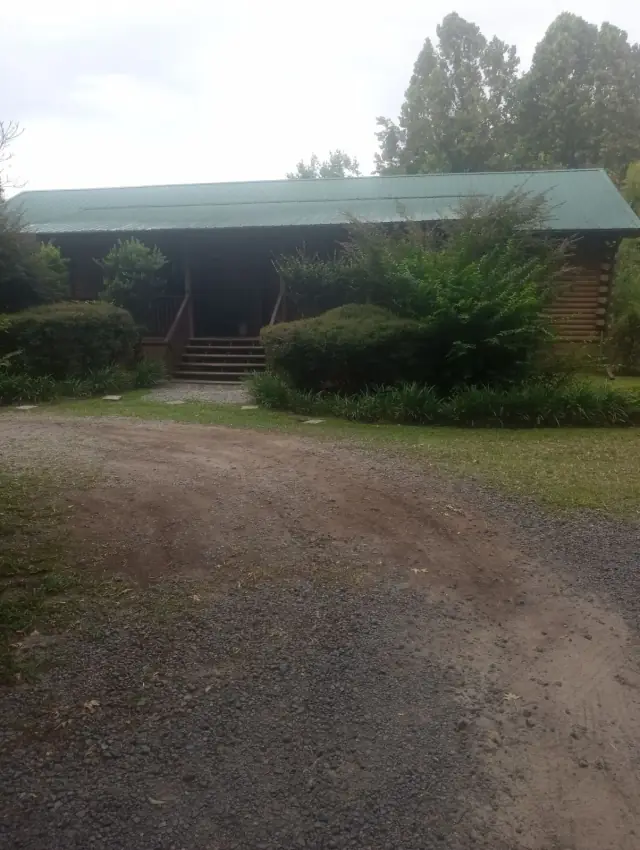
Gravel drive leading up to a Still Worthy log cabin
Rides to treatment sessions and court dates
Still Worthy provides reliable transportation so residents can attend their appointments, including treatment sessions and court dates. The point is simple: if you have somewhere you need to be for your recovery, getting there shouldn't depend on luck.
That removes a worry that eats at people in the first weeks, and it frees up attention for the harder, more important work of staying sober and rebuilding trust. Appointments on the calendar become appointments that actually happen.
It also works hand in hand with the rest of the program. Access to treatment and legal assistance only help if a person can reach them, and transportation is what connects the two. If you or someone you love needs to know how this works, call (843) 566-5788.
Chapter 03
Rebuilding toward your own license and your own way to get around
Rides from the program are meant to carry you through the early stretch, not to become a permanent arrangement. The longer goal is independence: a valid driver's license, a job that you can reach, and a way of getting around that belongs to you.
For many people, addiction cost them that license somewhere along the way. Getting it back is one of the clearest signs that life is stabilizing, and it opens doors that were closed, from steady work to being there for family.
That's why this service and the program's help with employment sit so close together. Restoring a license, applying for jobs, and having dependable transportation are really one project: getting a person back on their own feet.
Reliable transportation to treatment sessions, appointments and court dates, as part of a SCARR certified residency program.
Read how the program helps with restoring a license and finding work. To start, fill out the residency application or contact us with your questions.