What a Recovery Residence Is, and What It Is Not
A recovery residence is a home first, and knowing the difference between a home and a clinic can save you a lot of confusion.
October 14, 2026 · 4 min read
If you've never needed one, the phrase “recovery residence” can sound like a polite way of saying something else. If you or someone you love is looking for help right now, it can sound like one more thing to figure out on a day when you're already worn out. So here is a plain explanation, with no jargon.
Still Worthy is a drug and alcohol recovery residence and non-profit in Charleston, South Carolina. That is a specific kind of place, and it helps to know what it is, what it isn't, and where it fits alongside other kinds of help before you pick up the phone.
A home first, a program second
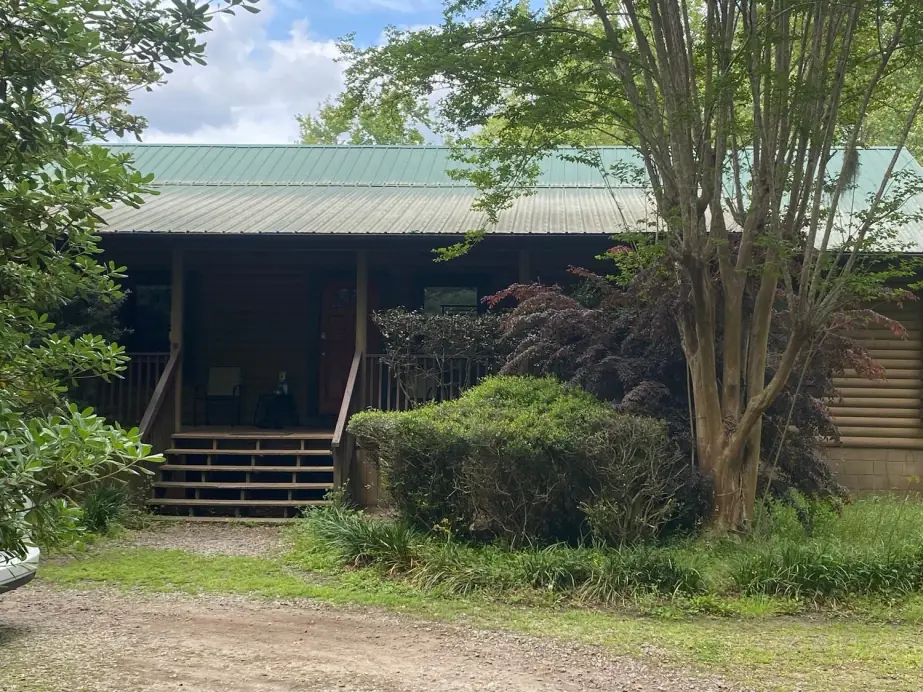
A recovery residence is a home. People live there. They share meals, split up the chores, come and go to work and appointments, and sleep in a bed that is theirs for as long as they stay. What sets it apart from an ordinary house is that everyone under the roof is working on the same thing: staying away from drugs and alcohol, and building a life that holds together.
Still Worthy describes its housing as “a secure and supportive environment where you can focus on healing without the distractions of everyday life.” The idea is simple. Early recovery is hard enough without also worrying about where you'll sleep tonight, or whether the people around you are still using.
Housing is the foundation, and the program is what gets built on it. Safe and stable housing sits at the top of the Residency Program for a reason. Everything else is easier to do once you know where you're sleeping.
How a residence differs from treatment
Treatment and housing do different jobs. Treatment is where people receive clinical care from licensed professionals. A recovery residence is where people live while they get on with the rest of life. Many people need both, at different times, and some move from one to the other.
Still Worthy is a recovery residence. It isn't a clinic, and it doesn't present itself as one. What it does offer under its Residency Program is access to treatment, described as custom plans tailored to your unique needs, including substance use counseling and mental health support. The house helps you reach the care you need, and gives you somewhere steady to come home to afterward.
That distinction matters if you're comparing options. If you need medical care or you're in a crisis, that is a conversation for a doctor or an emergency service, not a house. If you need a stable, sober place to live while you do the work, a recovery residence is built for that.
What certification means
Still Worthy is a certified program of the South Carolina Alliance for Recovery Residences, known as SCARR. SCARR is an affiliate of the National Association of Recovery Residences, or NARR. Still Worthy explains that SCARR and NARR “establish and uphold the standards for recovery housing throughout South Carolina and the United States.”
In plain terms, that means the house is connected to an outside body whose whole business is how recovery housing should be run. You don't have to take any house's word that it is a good place to live. Certification gives you something concrete to ask about, and it is worth asking about wherever you look, whether that is Still Worthy or somewhere else.
If you want to know more about what the certification involves, ask the team or ask SCARR directly. Questions like that are a sign you're taking your own safety seriously, and any good program should be glad to hear them.
What a recovery residence is not
It helps to be honest about what a house can't do. A few things a recovery residence is not:
- It is not a cure. Recovery is something a person does every day, with support around them.
- It is not a way to make someone change. The willingness has to come from the person who is struggling.
- It is not a replacement for medical or mental health care when you need those.
- It is not a hiding place or a holding cell. It is a home with people in it who want to get better.
What it can be is a steady base. Still Worthy describes its work as bridging the gap from addiction to rehabilitation. The house is the bridge, and the other side is a life you can stand on.
Who it is for, and what to do next
Still Worthy is built for people struggling with substance use disorder who want to overcome addiction and, in the house's own words, develop a relationship with Christ. The program is openly faith-based. If that isn't what you're looking for, it is better to know before you apply, and an honest conversation with the team can help you decide.
The founders built Still Worthy to support people “regardless of an individual's ability to pay,” so cost shouldn't be the reason you hesitate to ask. If you have questions about whether it is the right fit, call (843) 566-5788 or write to up@stillworthy.org, and someone will talk it through with you.
Still Worthy, (843) 566-5788
Call (843) 566-5788More articles
How to Talk to Someone You Love About Getting Help
There is no perfect script, but there are ways to talk that make it easier to be heard, and a clear next step if the answer is yes.
Court Dates, Driver's Licenses, and the Paperwork of Early Recovery
For many people the hardest part of the first months is not the craving. It is the pile of paper and the ride that never came.