Giving to Recovery in Charleston: What the Fortunate 500 Is For
Most people who give to recovery never meet the person their gift helps, so here is a clear picture of what the Fortunate 500 is and what it hopes to build.
October 14, 2026 · 3 min read
Most people who give to recovery work never meet the person their gift helps. They give because they know someone, or because they once were someone, or because they've seen how much a stable bed and a steady ride can change a week. If you're considering giving in the Charleston area, you deserve a clear picture of where it goes.
Still Worthy is a non-profit recovery residence, and it has a donor group called the Fortunate 500. Here is what that group is, what it names as the barriers in front of people trying to get well, and what the plans for the future look like.
What the Fortunate 500 is
The Fortunate 500 is a donor group. Still Worthy is calling on compassionate individuals and forward-thinking businesses to join it. The group exists to help with the real obstacles that stand between a person and a stable life in recovery.
This post doesn't quote amounts, because the place to see what is being asked is Still Worthy's own site. What matters first is understanding the problem the group is meant to help with.
It is also worth saying who the invitation is for. Still Worthy names individuals and businesses both. A person who gives out of their own pocket and a local company that wants to put its weight behind something good in the community are each being asked the same thing: to be part of the answer, not just an onlooker.
The barriers it names
The Fortunate 500 page lists eight challenges that people in recovery run into:
- Transportation
- Availability of Services
- Homelessness
- Supportive Housing
- Criminal Records
- Legal Fees
- Therapy Costs
- Stigma and Shame
Read that list slowly. None of it is about willpower. It is about rides, rent, records, fees, and what people say behind your back. A person can want recovery with everything in them and still be stopped by a bus schedule or a court fee.
Many of these problems feed each other. A person without transportation misses services. A person with a record has a harder time finding housing. A person without housing has a harder time keeping any appointment at all. Recovery gets stuck in the gaps between them, and closing one gap often helps with the next.
Notice, too, that some of these are about money and some are about how people are treated. Stigma and shame cost nothing to hand out and a great deal to carry. The page closes with a line worth remembering: “every individual struggling with substance use disorder is still worthy of living a fulfilling and meaningful life.”
What the plans for the future look like
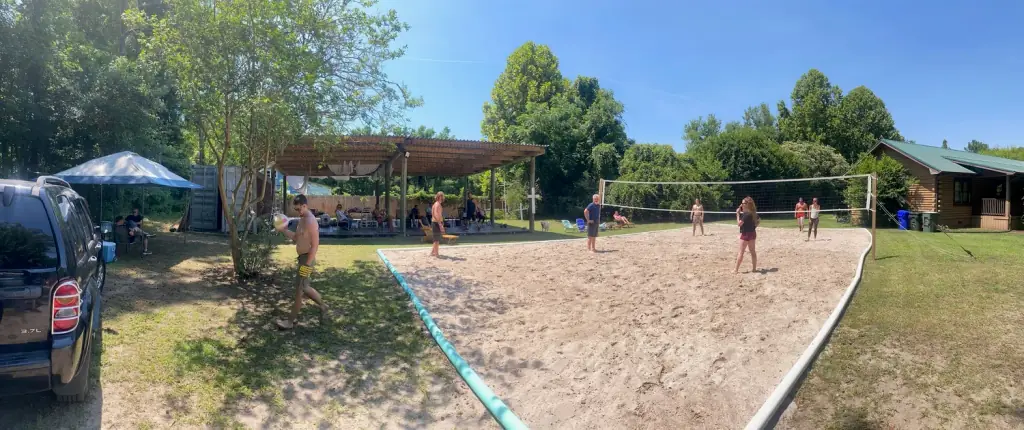
Still Worthy's Our Future page describes a new residential facility planned for up to 32 residents. The plans include eco-friendly container construction, a community kitchen, a covered courtyard, locker room and bathroom facilities, and pickleball and volleyball courts.
There are smaller details that make it sound like a home and not an institution: on-site chickens for fresh eggs, and room for pets. Anyone who has tried to build a new life knows how much small, ordinary comforts matter.
These are plans, not a finished building. Giving toward it means supporting something that is still being built, and you should hear that plainly before you decide anything.
Giving in the spirit it is asked
Still Worthy quotes 2 Corinthians 9:7 on the Fortunate 500 page: “Each of you should give what you have decided in your heart to give, not reluctantly or under compulsion, for God loves a cheerful giver.”
That is a gentle standard. No guilt trip, no pressure. Give what you've decided in your heart to give, and give it gladly or not at all. The site offers an Annual Donation, a Monthly Donation, and a Custom Donation, so people can choose a rhythm that fits their own life.
Not everyone can give money, and that is fine. Telling someone that this exists matters too. A neighbor, a coworker, or a fellow church member may need to hear that a place like this is in Charleston, and that the door is open.
How to give, or how to ask first
Still Worthy says it supports people “regardless of an individual's ability to pay.” Gifts to a non-profit like this are one way a promise of that kind gets lived out, and every one of them goes toward helping someone who is trying to get well.
To give, use the donation options on the Still Worthy site. To ask a question first, call (843) 566-5788 or write to up@stillworthy.org.
Still Worthy, (843) 566-5788
Call (843) 566-5788More articles
What a Recovery Residence Is, and What It Is Not
A recovery residence is a home first, and knowing the difference between a home and a clinic can save you a lot of confusion.
How to Talk to Someone You Love About Getting Help
There is no perfect script, but there are ways to talk that make it easier to be heard, and a clear next step if the answer is yes.